
Waimea HI Lifestyle and Homes for Upcountry Living
June 11, 2026
June 11, 2026
If you picture life on Hawaiʻi Island as only beach towns and resort living, Waimea may surprise you in the best way. This upcountry community offers a different pace, cooler weather, and a strong sense of place that appeals to both local buyers and off-island newcomers. If you are thinking about a move and want to know how Waimea really feels day to day, this guide will help you understand the lifestyle, housing mix, and practical details that shape life here. Let’s dive in.
Waimea, also known as Kamuela, sits inland from the Kohala Coast between the Kohala Mountains and the slopes of Maunakea. At about 2,600 feet above sea level, it feels very different from the island’s warmer coastal communities. That elevation is a big reason many people describe Waimea as green, open, and more upcountry than beach town.
You can feel that difference in the landscape and in the daily rhythm. Pastures, rolling hills, and wide skies give the area a grounded, rural character, while town still offers many of the everyday essentials you need. It is a place where you can enjoy a quieter setting without feeling far removed from daily convenience.
For a small North Hawaiʻi hub, Waimea offers a practical mix of services and local amenities. In town, you will find grocery and drug stores, dining options, shops, boutiques, North Hawaiʻi Community Hospital, and Kahilu Theatre for concerts, films, and performances. That combination gives Waimea a lived-in feel rather than a pass-through feel.
This is one reason Waimea appeals to many types of buyers. You get a community that feels established and residential, but still has culture, local activity, and useful services close by. For many people, that balance is a major part of the town’s appeal.
One of the first things people notice about Waimea is the climate. Because of its elevation, the area is often several degrees cooler than the coast. That can be a welcome change if you prefer milder temperatures and a setting that feels less hot and dry.
The rainfall pattern also helps shape the lifestyle. While the nearby Kohala Coast averages about 9 inches of rain each year, NOAA data for Waimea show 52.02 inches of annual precipitation and a mean annual temperature of 74.4°F. In simple terms, that is why Waimea feels greener and more pasture-like, while the coast feels drier and more resort-oriented.
Waimea’s identity is closely tied to Parker Ranch and the paniolo tradition. Parker Ranch has been home to paniolo culture since 1847 and manages 130,000 acres, making ranching heritage a visible and lasting part of the area’s story. This is not just history on a plaque. It is still part of the town’s image, economy, and community life.
That heritage shows up in local events too. Parker Ranch’s July 4th Rodeo and Horse Races celebrate Waimea’s ranching traditions with paniolo competitions, family activities, and local vendors. If you want to live in a place with a strong local identity, Waimea offers that in a way few communities can.
Waimea is also known for being food-forward in a very local way. The area includes well-known dining like Merriman’s Waimea, which highlights contemporary dishes made with Big Island products. That focus on local ingredients fits naturally with the community’s ranching and agricultural roots.
Farmers markets are a big part of everyday life here. Waimea Town Market, Waimea Midweek Farmers Market, Kamuela Farmers Market, and Waimea Nui Farmers Market offer produce, baked goods, prepared foods, flowers, and crafts. These markets help make Waimea feel connected, local, and rooted in the land.
From a real estate perspective, Waimea offers more variety than many buyers expect. County planning documents show a mix of low-density urban land, rural land, and urban-expansion areas along the Waimea-Kawaihae corridor. That supports what many buyers notice right away: Waimea is not a one-style market.
Depending on your goals, you may find in-town homes, homestead-style neighborhoods, or more rural and acreage properties nearby. That range can be helpful if you want flexibility in how you live, whether you are looking for convenience, elbow room, or a more country setting. It also means your home search should start with lifestyle priorities, not just price alone.
Waimea is a relatively small community by island standards, with 9,904 residents counted in the 2020 Census. Recent census data also show a 73.0% owner-occupancy rate, a median owner-occupied home value of $677,400, and median monthly owner costs with a mortgage of $2,382. Those numbers give useful context if you are trying to understand what kind of housing market Waimea is.
In general, the area reads as residential and settled rather than highly transient. For buyers, that can matter because it often reflects a community where people put down roots. For sellers, it helps explain why lifestyle and long-term value tend to be central parts of the conversation.
Waimea has several important practical anchors for everyday life. Waimea Elementary is in town, and Hawaiʻi Preparatory Academy operates both a Village Campus and an Upper Campus in Waimea. These nearby options are part of what makes the area function as a year-round residential community.
Health care access is another advantage. Queen’s North Hawaiʻi Community Hospital is a 35-bed rural acute care hospital located in Waimea. In a smaller town setting, having that kind of health infrastructure nearby can be a meaningful part of your day-to-day peace of mind.
Like much of Hawaiʻi Island, Waimea is spread out enough that many residents rely on a car for everyday errands and commuting. At the same time, the area is not completely without transit options. Hawaiʻi County’s Hele-On system serves Waimea with Route 60, Route 75, and Route 301, including a Waimea Circulator.
That transit access can be useful for workers, students, and residents who want another way to get around. It also reinforces Waimea’s role as an important North Hawaiʻi hub rather than a small isolated town. In practical terms, Waimea connects people to both nearby communities and key destinations across this part of the island.
One of Waimea’s biggest lifestyle advantages is location. Even though it is inland, it sits close enough to the Kohala Coast that beach days can still be part of your routine. GoHawaii points to Hāpuna Beach State Park as a major nearby destination, and many buyers love that Waimea offers cooler upcountry living with access to the coast.
Waimea also works well as a launch point for exploring North Hawaiʻi. From here, routes connect you to places like Hāwī, Pololū Valley, and Kahua Ranch. That makes the area especially appealing if you want a home base that supports both daily life and weekend adventure.
Waimea can be a strong fit if you want a lifestyle shaped by space, climate, and community identity. Some buyers are drawn to the cooler temperatures and green landscape. Others want a residential setting with practical services, local culture, and a housing mix that includes both town and country options.
It can also appeal if you want to be inland without giving up access to the coast. For local families, professionals, and off-island buyers looking for a more grounded Big Island experience, Waimea offers a blend that is hard to duplicate elsewhere. The key is understanding how its microclimate, housing patterns, and pace of life align with your goals.
Waimea is not a one-note market, and that is exactly why local guidance matters. Neighborhood setting, elevation, rainfall, land use, and property condition can all affect how a home feels and performs over time. Two homes in the same broader area can offer very different day-to-day experiences.
That is where a strategic, inspection-minded approach becomes valuable. When you understand not just the listing, but also the local context around it, you can make a more confident move. In a place like Waimea, real estate decisions are often about matching your property to the lifestyle you want to live.
If you are thinking about buying or selling in Waimea, working with a team that understands Hawaiʻi Island’s microclimates, housing patterns, and long-range planning can make the process much clearer. Connect with Lailan Bento for thoughtful, locally grounded guidance on your next move.
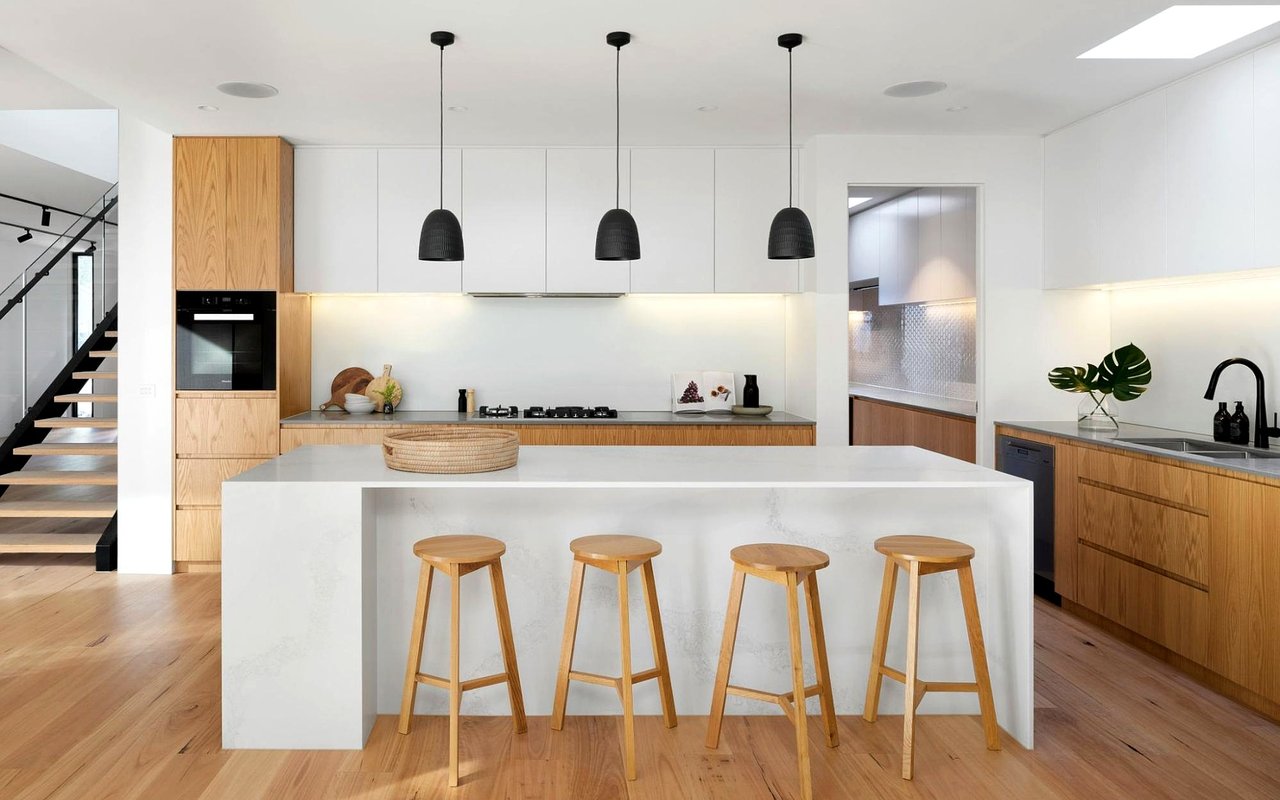
Debunking the Most Common Myths for Buyers in Kailua-Kona, HI.

Where to Find the Best Nightlife, Live Music, and Evening Fun Near Kailua-Kona, HI.
A First-Time Homebuyer's Guide to Buying Your First Home in Kailua-Kona, HI.
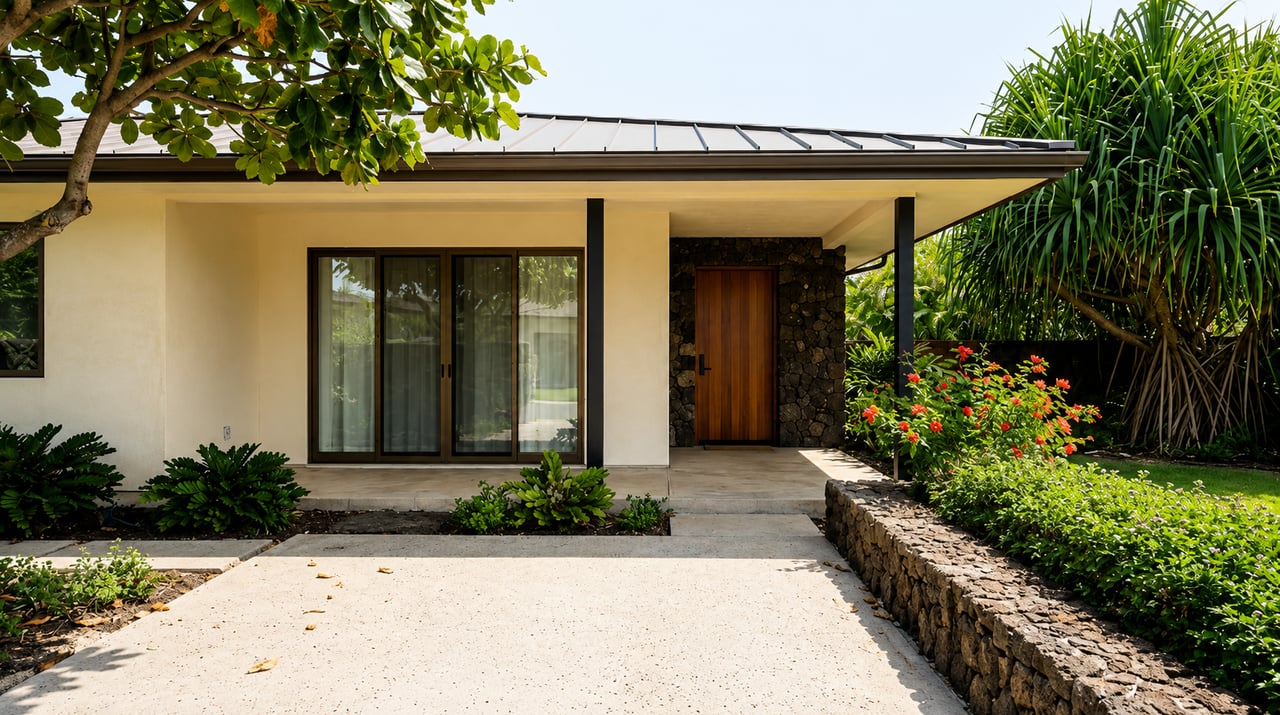
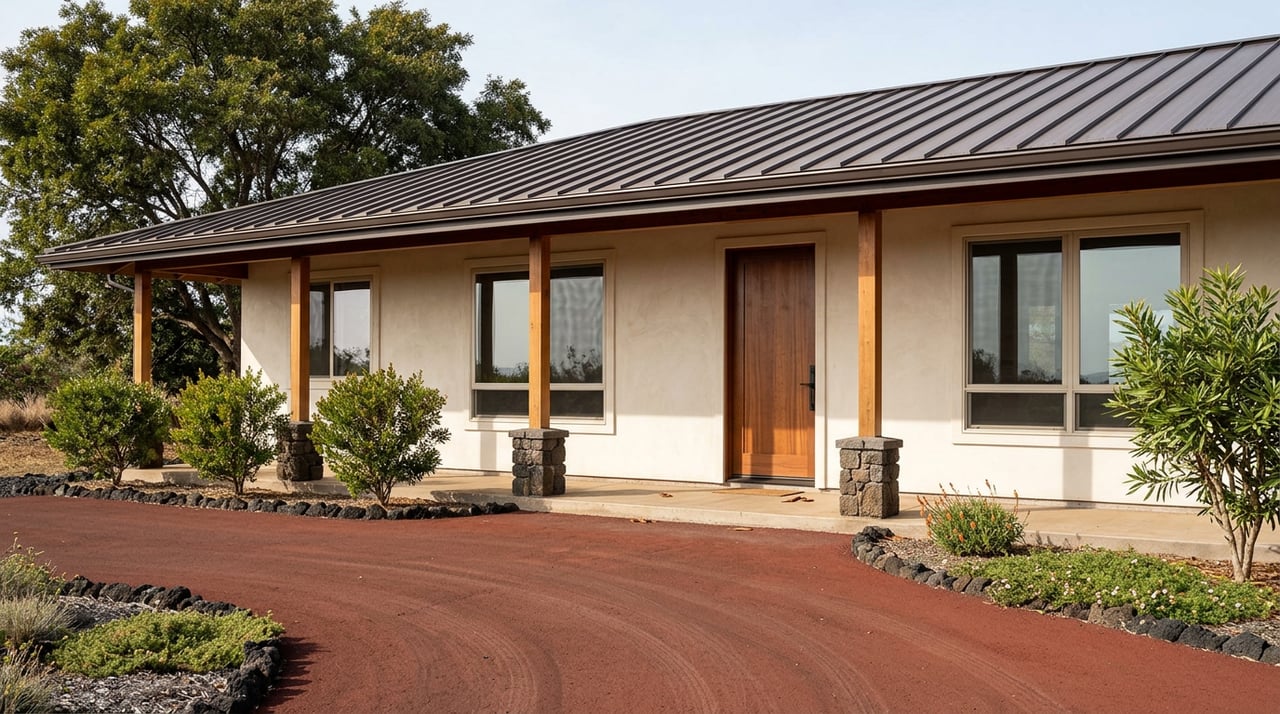
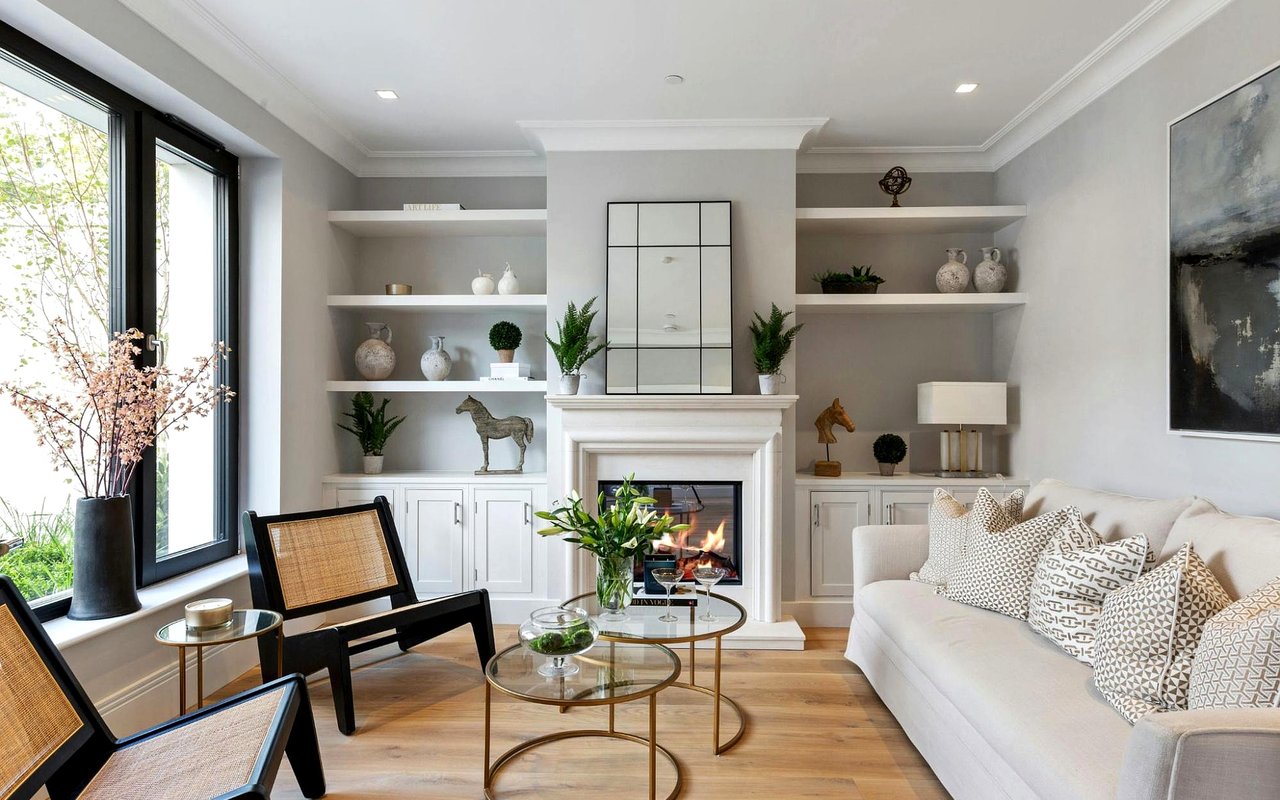
How to Search Smarter and Find the Right Home in Kona, HI.
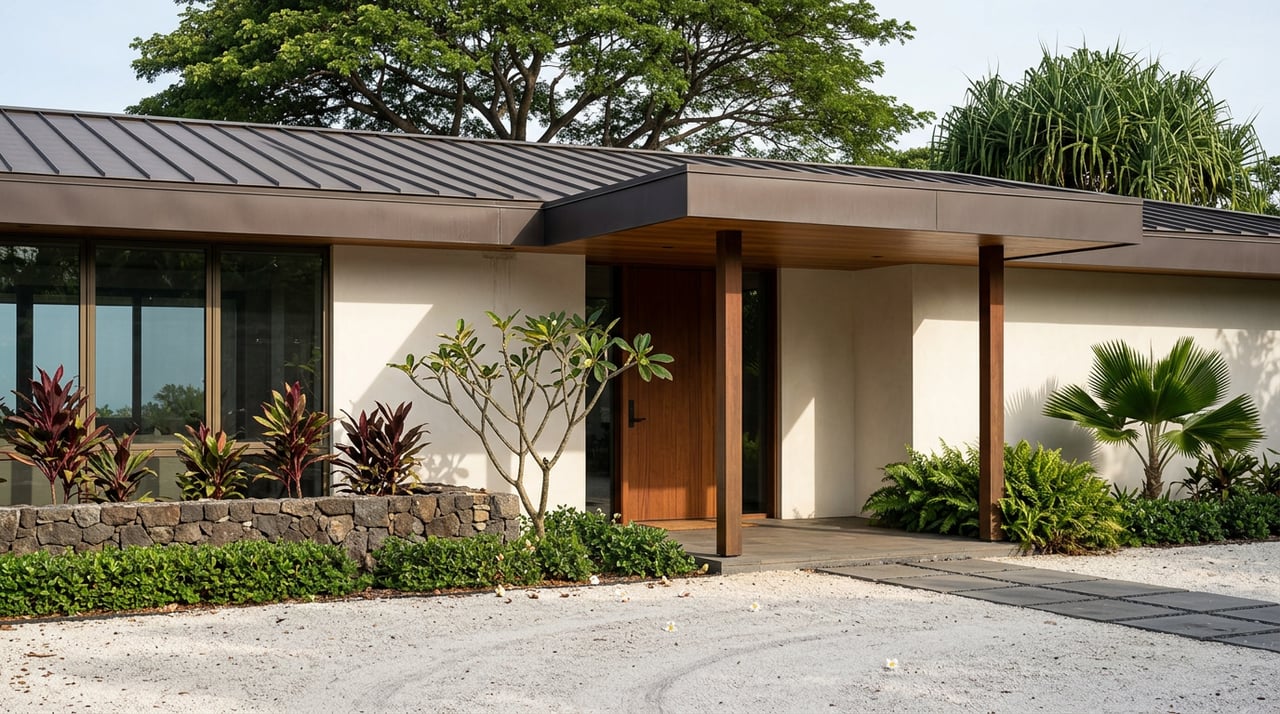

Romantic and Memorable Ways to Spend an Evening in Kona, HI.
We encourage you and your ‘ohana to reach out to one of our agents or all of our agents because we are always more than happy to help you and your ‘ohana find your next aloha lifestyle home within Hawaii real estate! Our team is always available to do any property search for you to ensure your needs and wants are met.