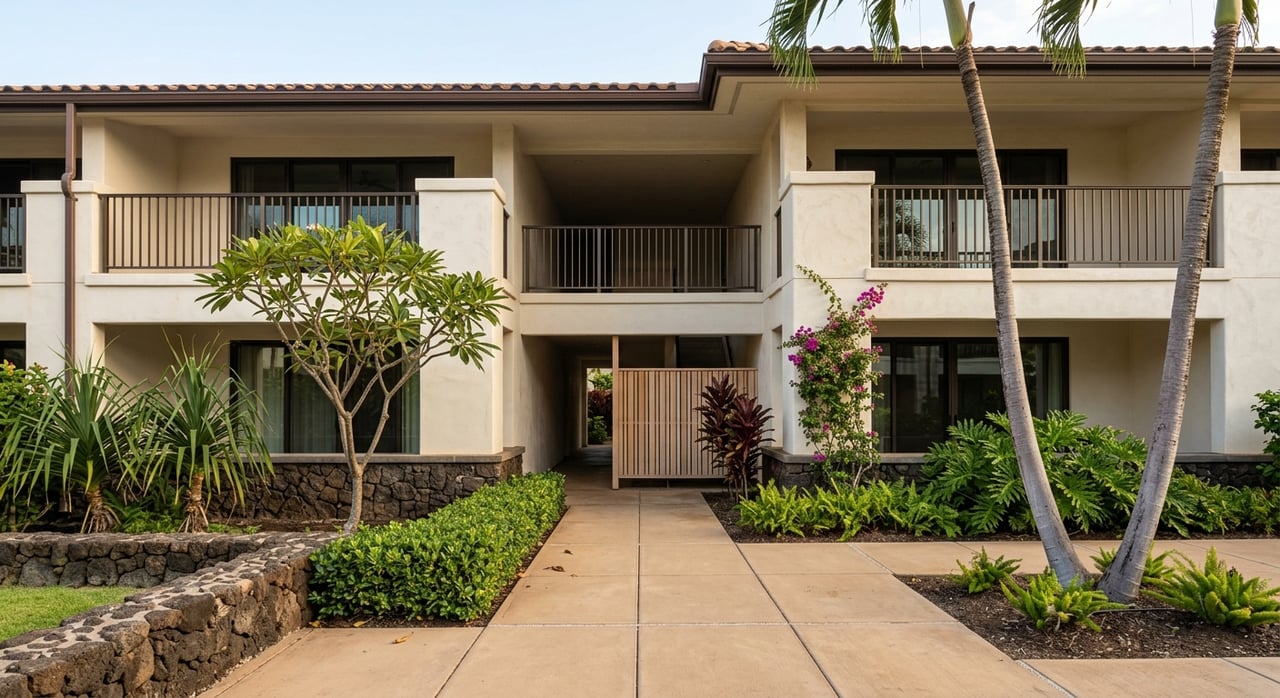
Hapuna Beach Condo Living and Coastal Home Options
Lailan Bento June 18, 2026
Lailan Bento June 18, 2026
If you have ever pictured waking up near one of Hawaiʻi Island’s best-known white-sand beaches, the Hapuna area probably feels like a natural place to start. You may be dreaming about a low-maintenance resort residence, a larger coastal home, or a second property that blends lifestyle with long-term value. This guide will help you understand what living near Hapuna Beach can actually look like, what kinds of homes you may find, and what due diligence matters most before you buy. Let’s dive in.
The Hapuna area sits within the Kohala Coast resort corridor on Hawaiʻi Island, in the 96743 postal area tied to the Mauna Kea Resort corridor. This stretch of coastline is known for dramatic scenery, lava-field landscapes, and access to major resort amenities.
A big part of the appeal is Hāpuna Beach State Recreation Area itself. The state park spans 61.8 acres and supports swimming, bodysurfing, picnicking, hiking, and lifeguarded beach use, with daily hours currently listed from 7:00 a.m. to 7:30 p.m. and gates closing at 8:00 p.m.
That said, living near Hapuna does not mean owning a private beach experience. Hawaiʻi’s shoreline rules matter here, and the public shoreline remains an important part of day-to-day beach access. In practical terms, proximity gives you convenience, but beach use still depends on park hours, fees, ocean conditions, and how busy the area is on a given day.
One of the most helpful things to know is that Hapuna is not a one-product market. The official Mauna Kea Residences portfolio shows a mix of oceanfront residences, condominiums, and private estates across several neighborhoods.
That variety means you will generally see two broad ownership paths near Hapuna. One is resort condo or residence living. The other is larger single-family or estate-style living.
On the residence side, the area includes oceanfront studio to four-bedroom options, including Hapuna Beach Residences. These properties often appeal to buyers who want a more turnkey ownership experience in a resort setting, similar to buyers browsing Kona condos for sale.
For many buyers, that can mean less day-to-day responsibility than a detached home. You may also be drawn to the convenience of being close to resort services, beach access, and shared amenities.
On the home side, the area includes neighborhoods such as Hapuna Estates, along with other resort communities like Fairways North, Fairways South, High Bluffs, Kumulani, and Waiʻulaʻula. Official resort materials describe Hapuna Estates as brand new five-bedroom private homes with golf-front and ocean-view positioning, along with private-pool appeal. These properties are prominent among Kona homes for sale along the Kohala Coast.
This side of the market often fits buyers who want more privacy, more interior space, and more separation from shared-building living. Depending on the property, you may also find elevated view locations or golf-course settings rather than direct oceanfront placement.
The right fit usually comes down to how you want to live when you are on island. If you want a property that feels simpler to lock up and leave, a resort residence may be the better match. If you want more room for guests, more outdoor space, or a more private setting, a detached home may make more sense.
Here is a simple way to think about it:
Ownership style | Typical appeal | Key questions |
|---|---|---|
Resort condo or residence | More turnkey feel, shared amenities, easier lock-and-leave potential | What do the HOA fees cover? Which amenities are included versus optional? Are short-term rentals allowed? |
Coastal home or estate | More privacy, more space, detached-home experience | What are the maintenance needs? What are the coastal exposure risks? What amenities come with the property? |
Neither path is automatically better. The best choice depends on your goals, how often you plan to use the property, and how much hands-on management you want.
One reason buyers are drawn to this part of the Kohala Coast is the depth of resort amenities nearby. Mauna Kea Residences says premier residences can access white-sand beaches, an oceanside tennis club, pools, fitness centers, championship golf courses, restaurants, and two spas.
The Westin Hapuna Beach Resort also highlights beach access, pools, a fitness center, spa, golf, snorkeling, and watercraft rental. The Beach Club at Mauna Kea offers items such as floaties, boards, canoes, and kayaks, which adds to the easy beach-day feel many buyers want in a second-home setting.
Still, it is important to separate the idea of nearby amenities from guaranteed ownership rights. Some benefits may be bundled into a residence experience, while others may involve separate fees depending on the property. That is why one of the first questions to ask is not just what is nearby, but what is actually included with the specific home or condo you are considering.
This is one of the biggest points of confusion for off-island buyers. A property near Hapuna may feel very beach-centric, but Hawaiʻi shoreline law does not turn nearby sand into a private extension of your lot.
DLNR notes that the certified shoreline helps establish setback baselines, and Hawaiʻi also recognizes a beach transit corridor seaward of the shoreline. For you as a buyer, that means it is smart to view beach proximity as a major lifestyle perk, while staying realistic about public access and shoreline regulation.
It also means your experience at the beach can vary day to day. Surf and shore-break conditions can change quickly, and the state park warns that rip currents and pounding shore break can make the beach hazardous when surf is up.
If you are looking at a condo or residence in Hapuna Resort, governance documents deserve close attention. In Hawaiʻi, the first step is to confirm what kind of property you are actually buying, because a condominium, a planned community, and other ownership structures can follow different rules.
The Hawaiʻi Department of Commerce and Consumer Affairs explains that condominium law applies to properties submitted to the condominium property act, while planned communities fall under a different chapter. That may sound technical, but it directly affects how maintenance, fees, and owner rights are handled.
For condominiums, Hawaiʻi law says the association is responsible for operating the property, while the owner is responsible for maintenance, repair, and replacement of the owner’s unit unless the declaration or bylaws say otherwise. DCCA also notes that an association may enter a unit when reasonably necessary for property operations, maintenance, or emergency repairs.
Before you move forward on a condo or resort residence, focus on these practical items:
These details can shape your monthly carrying costs just as much as the purchase price does.
Near the ocean, maintenance planning matters more than many buyers first assume. Hawaiʻi condo reserve materials specifically flag corrosive coastal atmosphere and salt-air effects on equipment and long-term upkeep.
That matters in a place like Hapuna, where sea air, humidity, and exposure are part of daily life. A condo with strong reserves and visible upkeep, or a home with a solid maintenance history, may offer more confidence than a property that looks great in photos but has deferred care behind the scenes.
For detached homes, this can affect roofing, exterior finishes, mechanical systems, and pool equipment. For condos, it can affect shared systems, exterior components, and the long-term stability of association budgeting.
Coastal property on Hawaiʻi Island comes with beauty, but it also comes with environmental realities. DLNR notes that Hawaiʻi’s coastline faces erosion, tsunamis, hurricanes, sea-level rise, flooding, subsidence, earthquakes, and lava flows.
DLNR also states that 70% of Hawaiʻi beaches are experiencing coastal erosion. Even if a home sits above the sand or does not appear oceanfront in the usual sense, flood maps, shoreline setbacks, and site-specific exposure still matter.
This is why serious buyers should treat hazard review as part of normal due diligence, not an extra step. A well-located property still needs to be evaluated for how it interacts with the coast over time when buying luxury real estate on the Big Island.
If you are considering a second home that may also be rented, do not rely on assumptions. Hawaiʻi County code allows short-term vacation rentals in general plan resort and resort-node areas and in RM condominium regimes, but the county also requires registration, GE and TAT license verification, parking, and a 24/7 reachable owner or contact person.
That is a strong reminder that being in a resort corridor does not automatically mean every property can be legally rented short term. The exact project, ownership structure, and governing rules all matter.
For buyers focused on investment or part-time rental income, these answers should be verified early.
A great Hapuna purchase usually starts with matching the property type to your real-life goals. If your priority is ease, amenities, and lock-and-leave convenience, a resort condo or residence may be the strongest fit. If your priority is privacy, larger living areas, and a more independent ownership experience, a coastal home may be worth the added maintenance responsibility.
It also helps to think beyond the view. The stronger long-term decision usually comes from understanding what you are buying, what it costs to maintain, what rules govern it, and how the property fits your intended use.
In a market like Hapuna, local guidance can make that process much clearer. The details around resort access, condo structure, reserve health, coastal exposure, and rental rules are exactly where careful due diligence protects your time, money, and peace of mind.
If you are thinking about buying near Hapuna Beach, working with a team that understands Hawaiʻi Island’s resort markets, ownership structures, and local rules can help you move forward with confidence. Connect with Lailan Bento for strategic, high-touch guidance on finding the right resort condo or coastal home on the Kohala Coast.
Debunking the Most Common Myths for Buyers in Kailua-Kona, HI.

Where to Find the Best Nightlife, Live Music, and Evening Fun Near Kailua-Kona, HI.
A First-Time Homebuyer's Guide to Buying Your First Home in Kailua-Kona, HI.
How to Search Smarter and Find the Right Home in Kona, HI.

Romantic and Memorable Ways to Spend an Evening in Kona, HI.
We encourage you and your ‘ohana to reach out to one of our agents or all of our agents because we are always more than happy to help you and your ‘ohana find your next aloha lifestyle home within Hawaii real estate! Our team is always available to do any property search for you to ensure your needs and wants are met.