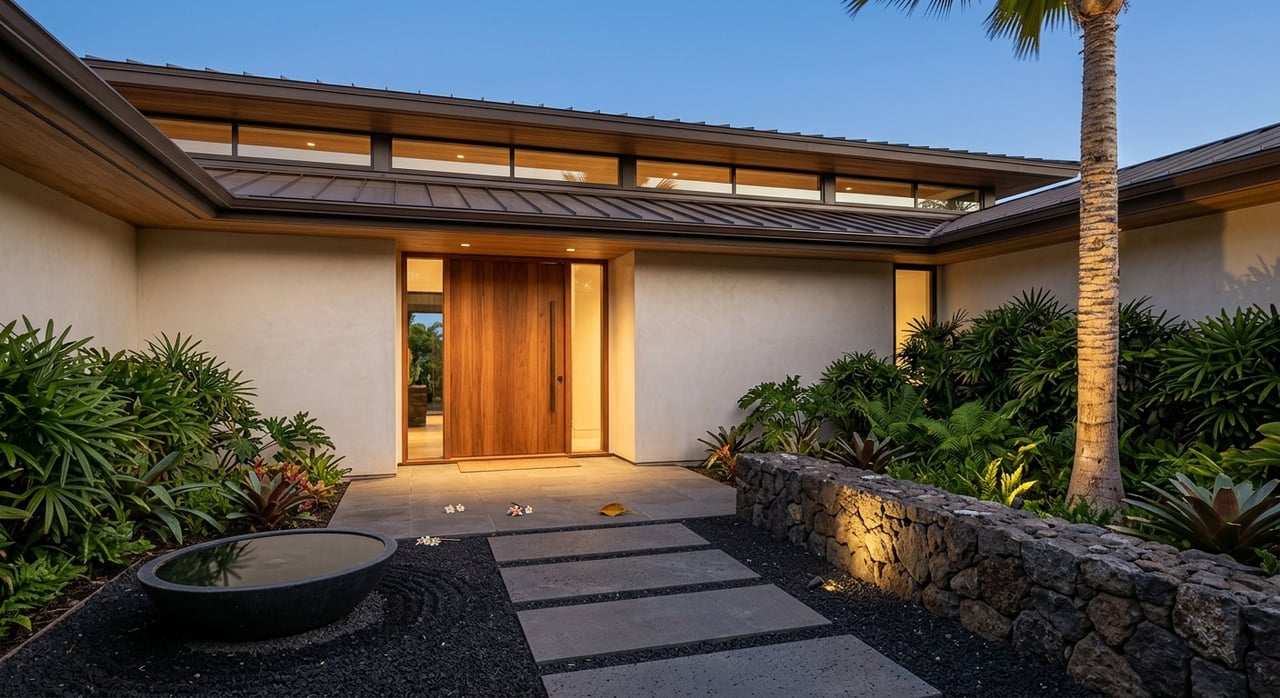
Mauna Kea Resort Homes for Legacy Living on the Kohala Coast
Lailan Bento July 2, 2026
Lailan Bento July 2, 2026
If you are looking for a Kohala Coast home that feels meaningful now and useful for years to come, Mauna Kea Resort deserves a close look. This is not just about ocean views or resort polish. It is about finding a property that fits how your family wants to gather, relax, and return to Hawai‘i Island over time. Let’s dive in.
Mauna Kea Resort brings together the Mauna Kea Beach Hotel, The Westin Hapuna Beach Resort, and Mauna Kea Residences in one branded resort setting on Hawai‘i Island’s Kohala Coast. The resort’s history ties back to Laurance S. Rockefeller, who developed the Mauna Kea Beach Hotel as the first resort hotel on the island. That history still shapes how the community feels today.
The official resort story describes a place that has welcomed generations of guests. It also frames ownership and hospitality as closely connected, which matters if you are thinking beyond a simple vacation property. For many buyers, that creates a stronger sense of continuity and long-term value.
The Mauna Kea Beach Hotel is now fully open after a nearly $240 million transformation, with 252 guest rooms and suites plus updated dining, wellness, and cultural spaces. The renovation was guided by the original vision while preserving architecture and celebrating local craftsmanship. That balance helps explain why Mauna Kea often appeals to buyers who want something established, refined, and lasting.
One of Mauna Kea’s biggest strengths is range. Inside one resort ecosystem, you can choose from beachfront residences, elevated bluff homes, golf-front properties, and upland communities about a mile from the ocean. Few Kohala Coast resort communities offer that many distinct settings under one umbrella.
You also get access to a broad amenity base. The resort highlights two beaches, beach and pool experiences, oceanfront tennis and pickleball, fitness, spa, shopping, and cultural activities. For many buyers, that combination makes ownership feel easier to use and easier to share with family and guests who are evaluating Kona homes for sale.
If you are comparing resort communities, this is where Mauna Kea often stands out. It is not one single product type. It is a collection of lifestyle options tied together by a long-established resort identity.
The current Mauna Kea Residences portfolio includes communities such as Hapuna Beach Residences, Fairways South, Amaui Villas, High Bluffs, Fairways North, Villas at Mauna Kea, Kauna‘oa, Hapuna Estates, The Bluffs, Moani Heights, Kumulani, and Wai‘ula‘ula. The easiest way to understand them is by setting.
If direct access and immediate connection to the shoreline matter most, the oceanfront and beachfront options are the natural place to start. These homes deliver the strongest sense of place and the shortest path to the beach.
Kauna‘oa includes only 30 private residences across 52 acres rising over Kauna‘oa Bay. It is within walking distance of both Mauna Kea and Hapuna beaches and includes a private par-3 practice course at Kauna‘oa Country Club.
Hapuna Beach Residences offers oceanfront studios through 4-bedroom residences just steps from the beach (see our guide to living near Hapuna Beach Resort).
The Bluffs includes elegant estates on the bluffs, with some villas positioned as true oceanfront homes along the coastline. The design emphasis includes expansive views, glass walls, and outdoor-spa style living.
If you want broad ocean vistas, more elevation, and a greater sense of privacy, bluff settings may be the better fit. These homes still sit inside the resort footprint while offering a different relationship to the coast.
High Bluffs is a private gated enclave set at an elevated position overlooking the coastline. Official descriptions emphasize panoramic ocean views, tropical breezes, and 3-to-5-bedroom homes designed for contemporary island luxury.
For many buyers, this category offers a strong middle ground. You stay close to the shoreline experience, but your home may feel more tucked away and more private than a true beachfront location.
Golf-front and Uplands communities can offer a practical blend of views, layout flexibility, and resort access. They often appeal to buyers who want room for family, private outdoor space, and a little more separation from the immediate shoreline.
Fairways South is an Uplands neighborhood overlooking the Mauna Kea Golf Course with ocean views, furnished lanais, and private pools. Fairways North offers open-concept layouts, high-end finishes, private lanais, and both ocean and golf course views.
Amaui Villas is a newer enclave with ocean views and a strong indoor-outdoor design approach. Guests also have access to The Park at Hapuna Estates, which includes a lap pool, waterslide, game room, and fitness center.
Hapuna Estates features new 4- and 5-bedroom homes above Hapuna Beach Resort with golf-front and ocean views, private pools, outdoor kitchens, and an on-site amenity center and park. If you are looking for a home that can handle regular family use, this category is worth serious attention.
If your priority is space, breezes, and a more removed setting, the hillside and inland-gated communities may be the right match. These homes still connect to the resort lifestyle while sitting farther from the shoreline.
Kumulani offers gated ocean-view residences about one mile from the ocean, with central air, garages, lanais, and broad ocean and golf views. Moani Heights is a single-family neighborhood in the Uplands defined by rolling hills, trade winds, and coastline, mountain, and golf views.
Wai‘ula‘ula includes ridge residences and villas, with some homes offering private pools and hot tubs, and it is also about one mile from the ocean. Villas at Mauna Kea emphasizes classic indoor-outdoor living with private pools and hot tubs, with marketing that specifically notes multi-generational families or couples traveling together.
At Mauna Kea, the design language tends to feel layered rather than flashy. The resort’s updated hotel spaces highlight rich woods, handcrafted textiles inspired by Hawaiian weaving and quilting traditions, plantation shutters, and expanded lanai doors. That same spirit helps the residences feel grounded and comfortable.
Across the residential communities, recurring features include great rooms, sliding glass pocket doors or walls, furnished lanais, private pools or hot tubs, outdoor kitchens, and garages. These are not small details. They shape how the homes live day to day.
For many buyers, the key point is functionality. The residence pages repeatedly point to 2-to-5-bedroom layouts, and Villas at Mauna Kea specifically notes a fit for multi-generational families. If your goal is a home that can work for parents, kids, and visiting relatives over many years, that matters.
Lifestyle is a big part of the ownership equation at Mauna Kea. The resort says guests can enjoy two beaches, beach and pool experiences, fitness, spa, shopping, and cultural activities. The Beach Club also offers complimentary rentals such as snorkeling gear, paddleboards, kayaks, and body boards.
For racquet sports, the Seaside Racquet Club includes 9 oceanside tennis courts and 8 pickleball courts. That kind of amenity depth can change how often you use a second home and how easy it feels to host family and friends.
The Club at Mauna Kea adds another layer. According to the club, Social and Platinum members can access beach and pool services, fitness centers, the Mauna Kea and Hapuna golf courses, and Seaside Tennis. Homeowner members may also extend access to houseguests through a Residential Guest Program with advance registration and a daily fee.
If you may rent your property when you are not using it, it is important to look carefully at eligibility, operating rules, and tax obligations. Mauna Kea Residences offers rental and homecare programs, which can be helpful for owners who want structured support.
At the county level, Hawai‘i County regulates short-term vacation rentals under Bill 108 and Ordinance 2018-114. The county planning page says existing short-term vacation rentals may need a Nonconforming Use Certificate and annual renewal.
On the tax side, Hawai‘i County says operators subject to the state transient accommodations tax generally also owe county TAT. The state tax department says rental proceeds from transient accommodations are subject to TAT and GET. If rental use is part of your plan, this is an area where clear local guidance matters.
Every Mauna Kea setting comes with a different mix of benefits and risk. The right choice depends on how you want to use the home, who will use it, and how you think about long-term ownership on the Kohala Coast.
Oceanfront homes offer immediate beach access and the most dramatic connection to the coastline. For many buyers, this is the emotional high point of the resort.
At the same time, Hawai‘i’s coastal hazards materials say the state coastline faces threats including erosion, tsunamis, hurricanes, sea level rise, flooding, subsidence, earthquakes, and lava flows. The state climate portal says Hawai‘i could see about 8 inches of sea-level rise by 2050 and about 3.5 feet by 2100 under an intermediate scenario. That makes oceanfront the clearest risk-and-reward tradeoff in the resort.
Bluff homes often attract buyers who want privacy, breezes, and broad views while staying near the shoreline. The setting can feel elevated in both the literal and lifestyle sense.
For some buyers, this is the sweet spot. You may give up direct walk-out beach positioning, but you gain a stronger sense of separation and panoramic perspective.
Hillside and Uplands communities often appeal to buyers who want resort access without being right on the coast. These areas can offer stronger trade winds, flexible family layouts, and some distance from immediate shoreline exposure.
If you are thinking practically about repeated family use, lower day-to-day intensity, and room to spread out, this category may be the best fit. It can be especially compelling for buyers who plan to host often or stay for longer stretches.
A good Mauna Kea purchase starts with honest priorities. Before you compare specific homes, think about how you actually plan to live there.
Ask yourself:
These questions help narrow the field quickly when buying luxury real estate on the Big Island. They also help you avoid paying for a setting that sounds great on paper but does not match how you will really use the property.
Mauna Kea is a special market, but it is still a Hawai‘i Island real estate decision with island-specific details. Community differences, guest-use rules, rental questions, property condition, and coastal considerations all affect how a home fits your goals.
That is why local guidance matters. You want someone who can help you compare not just the view, but also the ownership experience, the due diligence process, and the long-term practicality of the property.
If you are exploring Mauna Kea Resort homes and want clear, locally grounded guidance, connect with Lailan Bento for strategic support tailored to your goals on the Kohala Coast.
How to Search Smarter and Find the Right Home in Kona, HI.
Romantic and Memorable Ways to Spend an Evening in Kona, HI.
What Kona, HI Buyers Should Plan for Beyond the Purchase Price.
We encourage you and your ‘ohana to reach out to one of our agents or all of our agents because we are always more than happy to help you and your ‘ohana find your next aloha lifestyle home within Hawaii real estate! Our team is always available to do any property search for you to ensure your needs and wants are met.