By Lailan Bento
When the home inspection report lands in your inbox, a wave of anticipation—and maybe a touch of anxiety—can set in. This document may bring up everything from minor fixes to significant issues.
Navigating what happens next, including negotiating repairs, plays a major role in your home-buying experience. If you want to make smart requests, keep your property purchase on track, and protect your investment, understanding this process is crucial.
Whether this is your first home purchase or you’ve been through the process before, learning how to negotiate repairs will empower you to approach the seller confidently and reach a favorable agreement. Read on for a clear, step-by-step look at how to negotiate repairs after a home inspection—and how, together, we’ll work to get you the best outcome.
Key Takeaways
- Expect a detailed inspection report with both major and minor issues.
- Focus negotiations on repairs that affect value or your ability to move in.
- We’ll determine which repair requests are most reasonable.
- I’ll help you present your requests to the seller clearly and effectively.
- Be prepared to consider alternatives like credits or price reductions.
Understanding the Home Inspection Report
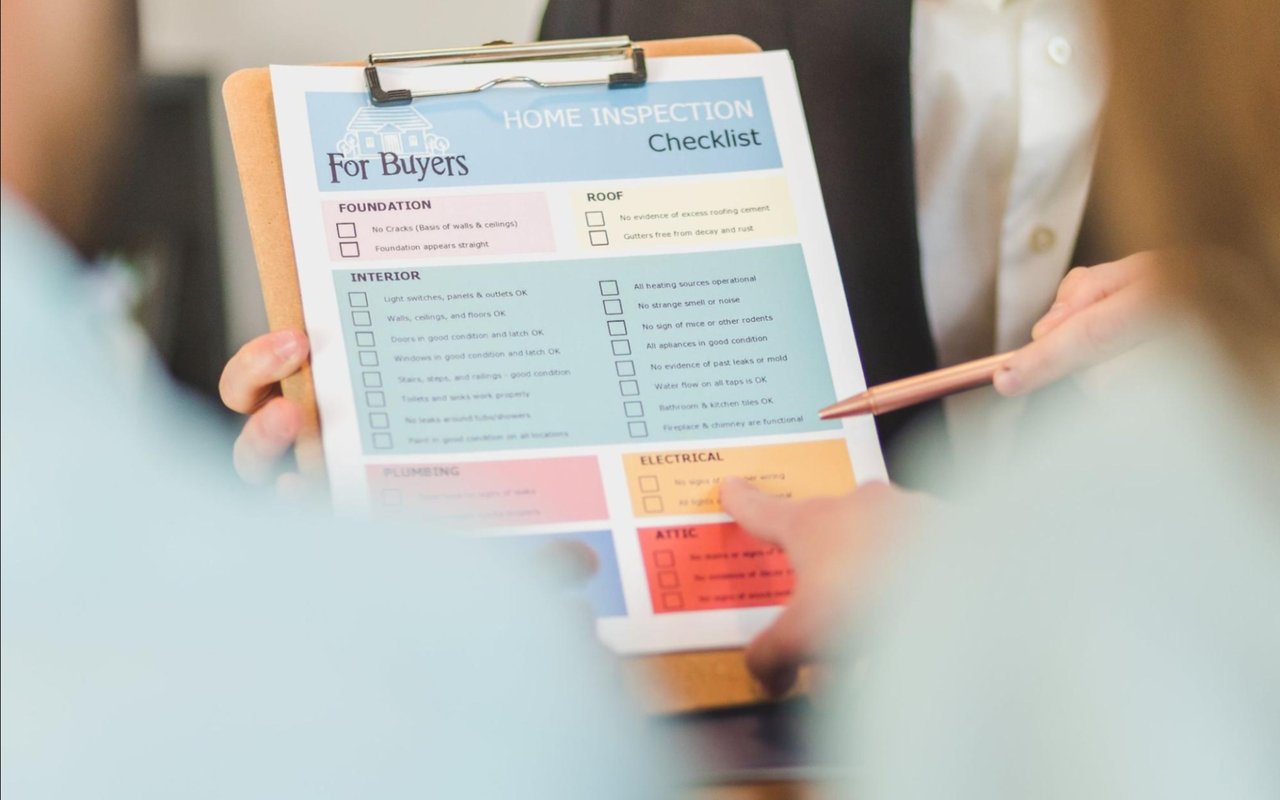
Once you receive the inspection report, it can feel overwhelming to see a long list of findings. Even homes that look “move-in ready” at first glance may have issues you didn’t notice. From leaky faucets to outdated wiring or foundation concerns, the range of findings might surprise you.
I’ll help you review the report and prioritize repairs based on their potential impact on your health, comfort, and financial well-being. We’ll focus on major issues first, such as structural problems, roof damage, plumbing leaks, electrical hazards, or HVAC issues.
What to Look For in the Report
- Major structural concerns or foundation issues.
- Roofing problems, such as leaks or missing shingles.
- Electrical and plumbing system defects.
- HVAC system malfunctions.
- Signs of mold, pests, or water intrusion.
Setting Your Priorities: What Repairs Should You Request?
Not every issue in the inspection report needs to be addressed during negotiations. By focusing your requests on critical repairs—those that impact health, habitability, or financial value—you strengthen your negotiating position.
Together, we’ll identify which repairs are essential for you to move forward with your purchase. These usually include anything affecting the property’s integrity or your ability to obtain insurance or a loan. I’ll help you evaluate which repair requests are typical in your local market and how to present them to the seller in a way that gets results.
Prioritizing Repairs
- Health and safety hazards, such as faulty wiring or gas leaks.
- Water damage or indications of mold.
- Roof leaks or cracks in the foundation.
- Plumbing or sewer problems.
- Inoperable heating or cooling systems.
How to Frame Your Repair Requests
Once we’ve identified your must-have repairs, I’ll help you draft a repair request that’s clear, specific, and backed by documentation. The way we present these requests matters; a focused list with evidence from the inspection shows we’re being fair and realistic—not simply nitpicking.
We’ll make sure to reference specific sections of the report and include photos of the concerns if possible. If you’re open to a credit or price reduction instead of completed repairs, we’ll make sure to include that in our proposal.
Tips for Presenting Requests
- Reference inspection report page numbers or photos for clarity.
- Use professional, solution-focused language.
Exploring Your Negotiation Options
Negotiation isn’t about getting every single concern addressed; it’s about finding solutions that both sides can agree on. Together, we’ll look at a few different options and decide which approach fits your situation best.
- Seller Makes Repairs: The seller completes agreed-upon repairs before closing.
- Repair Credit or Price Reduction: Instead of completing repairs, the seller gives you a credit at closing or reduces the final sale price of the property. This allows you to oversee the necessary repairs after moving in.
- As-Is Sale: Sometimes, especially in a hot market, sellers may refuse repairs. If this happens, we’ll consider if it still makes sense for you to move forward, renegotiate the price, or walk away.
Common Negotiation Outcomes
- Seller agrees to complete the requested repairs.
- Seller offers a closing credit or price adjustment so you can handle repairs after moving in.
- Seller completes only some of the requested repairs, providing a credit for the remainder.
- Seller declines to repair.
Tips for a Smooth Repair Negotiation Process
Navigating repair negotiations works best when you’re well-prepared, organized, and flexible. I’ll keep you informed every step of the way, help you prioritize your needs, and communicate promptly with the seller’s team. Staying focused on your main goals makes for a smoother transaction.
Ways to Streamline the Process
- Carefully review the inspection report and set priorities.
- Keep your requests specific and reasonable.
- Rely on expert guidance for communication and negotiation.
- Stay flexible about credits or price reductions.
- Remember the overarching goal: a successful move into your new home.
FAQs
What Are Reasonable Repairs to Request After a Home Inspection?
Reasonable repair requests typically focus on issues affecting the home’s structure, major systems, plumbing, electrical, or anything that could risk your well-being or budget. Small cosmetic items are generally not the focus of negotiations.
Should I Ask for a Price Reduction or Repairs?
It depends on your priorities. Some buyers prefer a closing credit or price reduction to handle repairs on their own timeline, while others would prefer for certain issues to be addressed before closing. We’ll discuss which option fits your goals.
What Happens If the Seller Won’t Make Any Repairs?
If the seller refuses all repair requests, we can discuss moving forward as-is, negotiating a credit, or, if your contract allows, walking away. I’ll help you weigh the costs and risks before you decide.
Navigate Repair Negotiations With Confidence
The process of negotiating repairs after a home inspection may seem overwhelming at first, but with the right guidance and a step-by-step approach, you’ll have the confidence to advocate for your needs.
With open communication, flexibility, and a clear plan, you can turn inspection surprises into practical solutions and move forward toward your new home with peace of mind. Reach out to me,
Lailan Bento, for expert guidance through
Kailua-Kona real estate.