By Lailan Bento
Kona sits on the dry leeward side of the Big Island, sheltered by the slopes of Mauna Loa and Hualalai and blessed with more than 300 days of sunshine per year. The town has some of Hawaii's most historically significant sites, alongside world-class beaches, marine preserves, and the internationally renowned Kona Coffee Belt.
Here are some of Kona’s distinguishing features for those interested in the place.
Key Takeaways
- Historical landmarks: Kona's coastline preserves some of Hawaii's most significant royal and cultural sites within minutes of the town center.
- Marine environment: Kealakekua Bay, Honokohau Harbor, and the Kona Coast's coral reefs deliver world-class snorkeling, diving, and marine wildlife access.
- Coffee and agriculture: The Kona Coffee Belt produces one of the world's most celebrated coffees and anchors a thriving agritourism scene.
- Recreation and parks: Kona's beach parks and ocean recreation infrastructure support a genuine year-round outdoor lifestyle.
Historical and Cultural Landmarks
Kona's coastline served as the seat of Kamehameha the Great's kingdom and contains a concentration of royal sites, ancient fishponds, and sacred heiau.
Historical Landmarks Worth Knowing
- Ahu'ena Heiau: This restored temple complex in downtown Kailua-Kona served as the personal temple of Kamehameha the Great and the site where he spent his final years before his death in 1819.
- Hulihe'e Palace: This 19th-century royal retreat on Ali'i Drive is now operated as a museum by the Daughters of Hawaii and houses an extraordinary collection of royal Hawaiian artifacts.
- Painted Church of St. Benedict: This upcountry church above Honaunau was decorated by Belgian priest Father John Velghe with elaborate interior murals depicting biblical scenes against painted Hawaiian landscapes.
- Kaloko-Honokohau National Historical Park: This coastal park north of Kailua-Kona preserves ancient fishponds, petroglyphs, and coastal settlement sites within a largely unchanged landscape.
The amenities and landmarks Kona HI preserves through its historical sites set this coastline apart from every other destination in Hawaii.
Marine Environment and Ocean Recreation
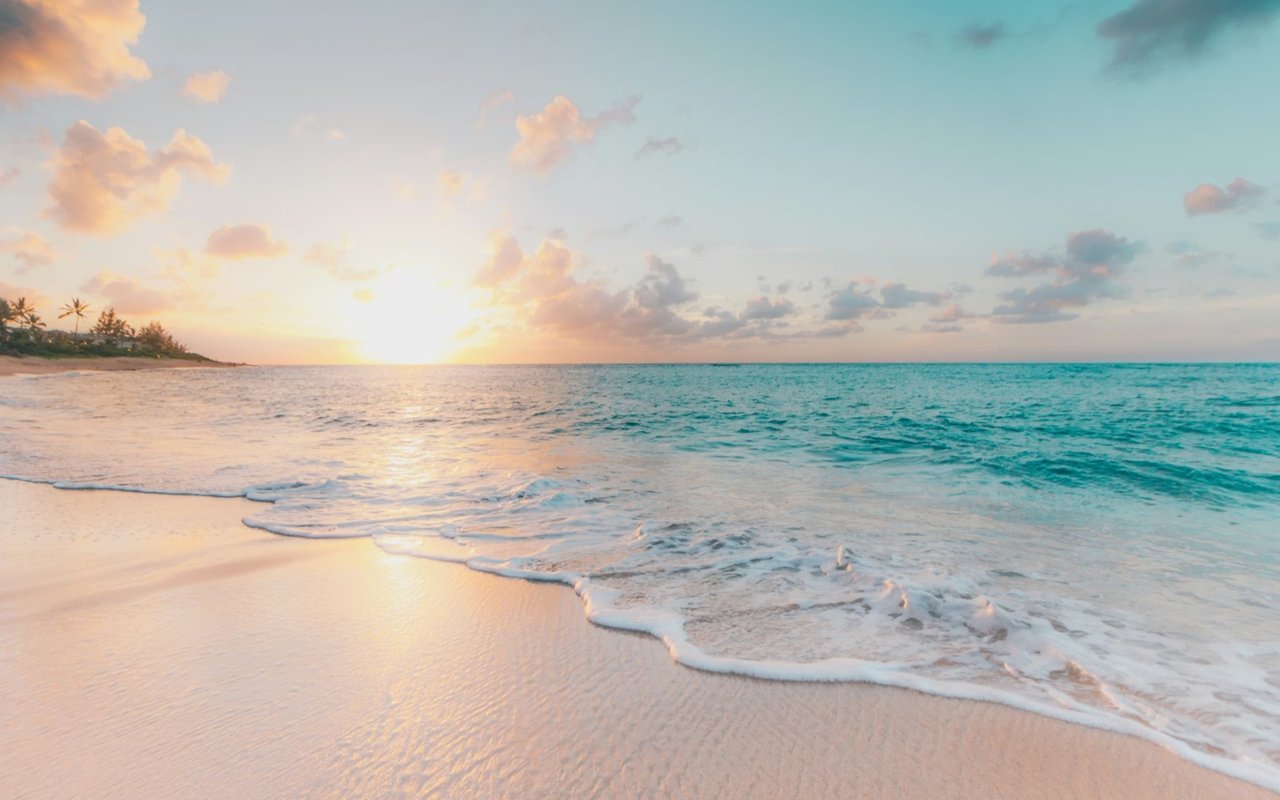
Kona's leeward position gives it the calmest and most consistently accessible ocean conditions on any Hawaiian island.
Marine Amenities and Ocean Recreation Highlights
- Kealakekua Bay State Historical Park: This marine conservation district south of Kailua-Kona offers some of the most spectacular snorkeling in Hawaii alongside its significance as the site of Captain James Cook's final landing in 1779.
- Honokohau Harbor: This primary small boat harbor is the launching point for Kona's sport fishing fleet, whale watching tours, sunset sailing charters, and world-famous manta ray night diving excursions.
- Two Step at Honaunau: This natural lava shelf entry point adjacent to Pu'uhonua o Honaunau provides direct access to one of the most biodiverse reef systems on the Big Island.
- Kahalu'u Beach Park: This county beach park on Ali'i Drive consistently ranks among the best beginner snorkeling locations in Hawaii, with a protected bay and a resident Hawaiian green sea turtle population.
Sheltered waters, exceptional clarity, and one of Hawaii's healthiest coral reef systems make this coastline a world-class destination for diving, snorkeling, fishing, and marine wildlife encounters that residents access as routine daily life.
The Kona Coffee Belt and Agritourism
The Kona Coffee Belt is a 30-mile growing region where volcanic soil, afternoon cloud cover, and consistent rainfall produce conditions uniquely suited to arabica cultivation.
Kona Coffee and Agritourism Highlights
- Kona Coffee Living History Farm: This working farm, operated by the Kona Historical Society, preserves the farming practices of Japanese immigrant coffee farmers from the early 20th century.
- Greenwell Farms: This established farm offers free daily tours and a tasting room sampling single-origin Kona coffees from a family operation with roots extending to the 1850s.
- Kona Coffee Cultural Festival: This annual November harvest festival features farm tours, cupping competitions, and cultural programming and is one of the longest-running agricultural events in Hawaii.
The Coffee Belt is also one of the most visually beautiful agricultural landscapes in Hawaii, with family farms, roadside tasting rooms, and a road system that rewards year-round exploration.
Beach Parks and Outdoor Recreation
Kona's beach parks and outdoor infrastructure support a year-round lifestyle that few Hawaiian communities can match.
Key Beach Parks and Recreation Areas
- Magic Sands Beach Park: This Ali'i Drive beach is beloved for its sand that seasonally disappears during winter swells and returns each spring with a consistent body surfing and boogie boarding break.
- Old Kona Airport State Recreation Area: This former airport runway converted into a linear park offers protected swimming and calm ocean entry on the north edge of Kailua-Kona.
- Waikoloa resort corridor trails: This trail network north of Kailua-Kona passes through ancient lava fields containing some of the most accessible petroglyph fields on the Big Island.
Excellent ocean conditions, maintained park facilities, and proximity to both coastal and upcountry terrain give residents a recreation range that is genuinely exceptional.
FAQs
How does Kona's weather compare to the rest of the Big Island?
Kona receives approximately 25 inches of annual rainfall compared to Hilo's 130-plus inches and enjoys more than 300 days of sunshine per year. Afternoon cloud cover drifts down from Hualalai's slopes, cooling temperatures slightly and providing the growing conditions that make the Coffee Belt possible at elevations above 1,000 feet.
Is Kona practical for year-round primary residence living?
Yes. Kona's infrastructure supports full-time living in a way that more remote Big Island communities cannot. Kona Community Hospital and a growing network of specialist clinics anchor the town's medical infrastructure.
How does proximity to Kona's landmarks affect real estate values?
Directly and measurably. Properties along Ali'i Drive, homes near Kahalu'u Beach Park, and properties on the Coffee Belt slopes all command premiums reflecting the specific lifestyle access they provide.
Contact Lailan Bento Today
Kona's lifestyle is built on daily access to a coastline of extraordinary historical and natural significance, a world-class marine environment, and a community shaped by generations of Hawaiian, Japanese, Filipino, and mainland American culture.
Reach out to me,
Lailan Bento, and let's find the Kona property that puts you closest to the amenities and landmarks Kona HI offers at the highest level.